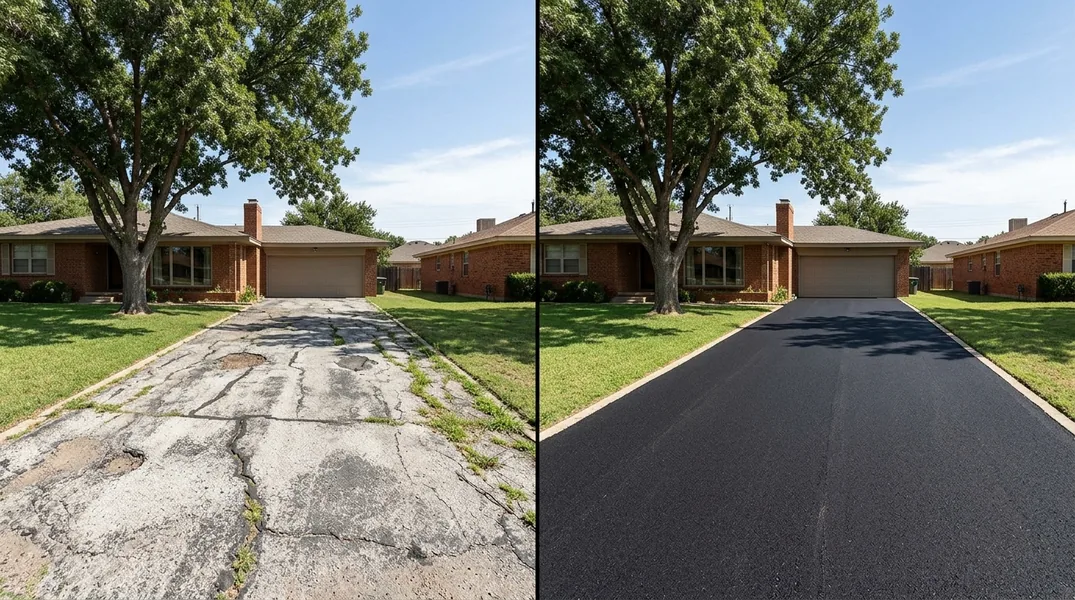
How Long for Asphalt to Cure: The Complete Timeline
One of the most common questions homeowners ask after investing in Asphalt Driveway Paving & Installation is how long the curing process actually takes. The answer isn't as simple as a single number, because asphalt curing happens in stages, and understanding each phase helps you protect your investment properly.
When fresh asphalt is laid down, it begins cooling and hardening immediately. Within the first 24 to 48 hours, the surface becomes firm enough to walk on, and you might think the job is done. However, this initial hardening is only the beginning. The asphalt continues to cure for much longer as the oils and binders continue to set and the material reaches its full structural strength. In Midland, where summer temperatures can be intense, the curing process may actually accelerate due to heat, but this doesn't mean you should treat a freshly paved driveway as fully cured after just a few days.
The full curing period for new asphalt typically ranges from 6 to 12 months, depending on weather conditions, asphalt thickness, and the specific mix design used. During this time, the material gradually becomes darker, harder, and more resistant to damage. You'll notice the color shifting from a lighter gray-black to a deeper black as the oils settle and the surface oxidizes. This color change is a natural part of the curing process and is not a sign of damage or poor installation quality.
How Long Before You Can Drive on New Asphalt: The Safe Waiting Period
Most homeowners are eager to use their new driveway, but driving on fresh asphalt too soon can cause permanent damage. The question of when you can safely drive on new asphalt requires a careful answer that balances your desire to use the driveway with the need to protect your investment.
Generally, you can drive on new asphalt after 48 to 72 hours of curing in normal weather conditions. However, this timeline assumes moderate temperatures and dry conditions. If Midland experiences cooler temperatures or rain during this period, you should wait longer before putting vehicles on the surface. Heavy vehicles, such as delivery trucks or construction equipment, should not be driven on new asphalt for at least 7 to 10 days, as their weight can create ruts and depressions in the still-softening material.
Even after you begin driving on the driveway, you should avoid parking in the same spot for extended periods during the first few weeks. The weight of a stationary vehicle can cause soft spots and indentations that may not fully recover as the asphalt cures. Additionally, avoid sharp turns and hard braking on fresh asphalt, as these actions can cause the surface to shift or tear. Think of the first month as a break-in period where you're gradually increasing the stress on the surface as it hardens.
It's also important to avoid exposing new asphalt to extreme heat during the curing process. On hot days, the surface can become temporarily soft, and heavy traffic during peak heat hours can cause damage. If possible, try to minimize driveway use during the hottest parts of the day for the first few weeks after installation.
New Asphalt Driveway Care: Essential Maintenance in the First Year
Proper care during the first year of your new asphalt driveway's life is crucial for longevity and appearance. New asphalt driveway care differs significantly from maintenance of established surfaces because the material is still in its curing phase and more vulnerable to damage. Understanding what you should and shouldn't do during this critical period will help you avoid costly repairs down the road.
During the first few weeks, keep your driveway clean and dry. Avoid using salt or harsh chemicals for cleaning, as these can penetrate the still-curing asphalt and cause damage. If you need to clean the surface, use a gentle broom or a low-pressure rinse with plain water. Don't pressure wash your new asphalt for at least three months, as the high-pressure water can dislodge small stones and damage the surface before it's fully hardened.
Watch for signs of standing water, which can seep into the asphalt and weaken the base. If you notice puddles forming on your driveway, this may indicate a drainage issue that should be addressed promptly. Good drainage is essential for the long-term health of your asphalt surface. Additionally, keep heavy objects and equipment off the driveway during the first month. This includes trash cans, lawn equipment, and construction materials that might otherwise be stored temporarily on the surface.
One of the most important aspects of new asphalt driveway care is avoiding oil and gasoline spills. Fresh asphalt is more porous than fully cured asphalt, and petroleum products can seep in more easily and cause staining and deterioration. If you do spill oil or gasoline, clean it up immediately with absorbent material, then wash the area with a degreaser designed for asphalt. If you're concerned about damage or need professional advice on caring for your new driveway, the team at Midland Asphalt Paving is always available to answer questions.
How Often to Seal Driveway: Protecting Your Investment Long-Term
Seal coating is one of the most important maintenance tasks you can perform to extend the life of your asphalt driveway, and understanding the proper seal coat schedule is essential for any homeowner. Many people wonder how often to seal driveway surfaces, and the answer depends on several factors including climate, traffic, and the age of the asphalt.
For new asphalt, you should wait before applying a seal coat. Most professionals recommend waiting 6 to 12 months after installation before the first seal coating. This waiting period allows the asphalt to fully cure and the oils to stabilize. Applying seal coat too early can trap moisture and oils in the surface, potentially causing damage rather than protection. Once your new driveway has cured sufficiently, applying a quality seal coat creates a protective barrier that shields the asphalt from UV rays, water penetration, and oxidation.
After that initial seal coat, you should plan to reseal your driveway every 2 to 3 years for residential driveways in the Midland area. The intense summer heat and occasional freeze-thaw cycles in our region can accelerate wear, so you may find yourself resealing on the shorter end of that timeline. Regular seal coating can add years to the life of your driveway and prevent the need for more expensive repairs like Pothole Repair & Asphalt Patching or Asphalt Resurfacing & Overlay.
Watch for signs that your driveway needs resealing, such as fading color, visible cracks, or areas where water no longer beads up on the surface. These indicators mean the protective seal coat has worn away and the underlying asphalt is becoming exposed to the elements. Professional seal coating is an affordable preventive measure that pays for itself many times over by extending the life of your driveway and maintaining its appearance.
Summer Care Tips for Your New Asphalt Driveway
The first summer after your new asphalt installation is a critical period that requires special attention. Midland's hot, dry summers can present unique challenges for curing asphalt, and understanding how to protect your driveway during these months will ensure the best possible outcome.
High temperatures can cause asphalt to soften temporarily, making it more susceptible to damage from vehicle traffic and weight. During the hottest months, try to minimize heavy vehicle use during peak heat hours, typically between 11 AM and 4 PM. If you must use your driveway during these times, drive slowly and avoid sudden stops or sharp turns. Avoid parking in the same location for extended periods, and never allow vehicles to idle on the fresh asphalt, as the constant heat from the engine can soften the surface directly beneath it.
Protect your driveway from debris and organic material that can accumulate during summer. Fallen leaves, branches, and other debris should be removed promptly, as they can trap moisture and cause discoloration or deterioration. Additionally, be mindful of any lawn treatments or fertilizers that might run onto the driveway during irrigation. These chemicals can stain asphalt and potentially cause damage if not cleaned up quickly.
If you notice any cracks, soft spots, or other issues developing during your first summer, contact Midland Asphalt Paving right away. Early intervention can prevent small problems from becoming expensive repairs. We're here to help ensure your new driveway stays in excellent condition. Call us at (432) 289-5378 or request a free estimate for any maintenance or repair needs.
When to Call a Professional: Asphalt Driveway Paving & Installation Near Me
While homeowner maintenance is important, knowing when to call a professional asphalt contractor is equally crucial. If you notice significant cracks, potholes, or areas where the surface is crumbling or becoming uneven during your first year, these are signs that professional Driveway Repair may be needed. Sometimes what appears to be a curing issue is actually a problem with the installation itself, and a professional can diagnose and address these concerns.
If your driveway was installed by Midland Asphalt Paving, we stand behind our work and are happy to address any concerns that arise during the curing period. Our team has years of experience with asphalt installation and maintenance in the Midland area, and we understand the specific challenges posed by our local climate and soil conditions. Whether you need advice on care and maintenance or professional repairs, we're just a phone call away at (432) 289-5378.
Taking the time to properly care for your new asphalt driveway during its first year will pay dividends in durability, appearance, and overall lifespan. By understanding the curing timeline, driving safely on fresh asphalt, maintaining the surface properly, and planning for regular seal coating, you'll protect your investment and enjoy a beautiful, functional driveway for years to come. If you have questions about your specific driveway or need professional guidance, don't hesitate to reach out to Midland Asphalt Paving for expert advice and service.
Looking for a professional asphalt paving contractor in Midland? Midland Asphalt Paving responds fast for all your asphalt paving needs.
Get a Free Quote